


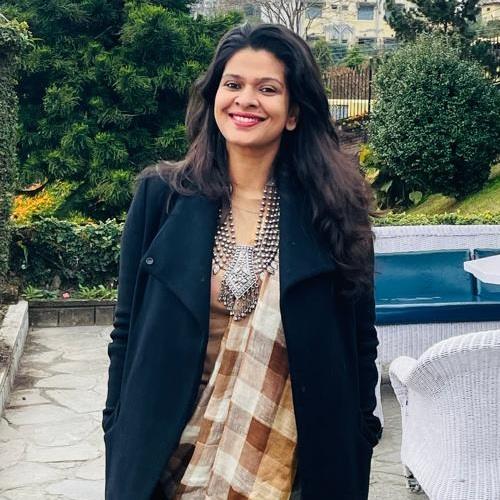
Our goal is to make craft part of daily wardrobes
As fashion undergoes a shift towards sustainability and cultural consciousness, The Hiranya stands out as a quiet yet powerful voice in the Indian design landscape. Founded by Ayesha Parvez in April 2022 in the hill town of Kalimpong, the label derives its name from the Sanskrit word Hiranya, meaning “made of gold”—a reflection of its commitment to excellence, integrity, and heritage. Blending traditional Indian textile crafts with contemporary silhouettes, The Hiranya creates pieces that are mindful, elegant, and deeply rooted in purpose. Beyond aesthetics, the brand’s mission includes ethical sourcing, artisan empowerment, and initiatives like ‘Wear One, Clothe One’, which provides climate-appropriate clothing to underserved communities.
In this interview with Fibre2Fashion, Ayesha Parvez shares insights into building a brand that honours both people and the planet. From reviving crafts like Jamdani and Khadi to embracing slow fashion principles and feminist storytelling, she opens up about the journey behind The Hiranya, the significance of collections like Meeras, and the challenges and responsibilities of being a sustainable fashion entrepreneur in today’s India.
With the rise of slow fashion, what strategies can emerging designers adopt to stand out while maintaining ethical standards and high quality?
Focus on storytelling, traceability, and genuine craft. Instead of mass scaling, build strong micro-communities around your brand. Use social media not just to sell, but to educate. Authenticity resonates, and over time, becomes your greatest differentiator.
How can Indian fashion brands better integrate traditional textile crafts into modern silhouettes while still appealing to a global audience?
By designing from the fabric up, not the trend down. Let the textile speak, then tailor it with simplicity and function. Clean lines, comfortable fits, and versatile wearability make traditional crafts more accessible to global audiences without diluting their essence.
What role do digital platforms and social media play in shaping narratives around conscious fashion today?
They are crucial. Social media gives small, ethical brands a voice to tell stories, share processes, and connect directly with conscious consumers. Transparency has become a strength, not a burden, and platforms like Instagram and Threads are helping shape that shift.
How do you see consumer awareness around sustainability evolving in the Indian fashion market, especially among younger shoppers?
Young Indian shoppers are asking more questions about origins, impact, and transparency. While price still plays a role, there is a clear shift towards valuing stories and sustainability. With better access to information, we are seeing a more conscious and curious consumer base emerging.
What are some of the biggest infrastructural or policy-level changes you feel are needed to support a more sustainable fashion ecosystem in India?
Stronger support for artisan clusters, incentives for sustainable material sourcing, and improved waste management frameworks are essential. We also need clearer labelling and certification systems to help consumers make informed choices. Additionally, integrating sustainability education at the design school level can shift the industry’s mindset towards long-term, responsible thinking.
What inspired the founding of The Hiranya? What does the name ‘Hiranya’ represent for you, and how does it influence the brand’s identity?
The Hiranya was born from a desire to bring Indian textile craftsmanship into everyday, modern luxury. ‘Hiranya’ in Sanskrit means ‘golden’—not just in material but in spirit. It reflects the quiet richness of our heritage and the inherent value of slow, thoughtful design. It influences everything we do, from our fabric choices to our design language and our deeper commitment to sustainability and community.
What does responsible fashion mean to The Hiranya in both practical and philosophical terms?
Practically, it means sourcing responsibly, designing mindfully, and avoiding excess. Philosophically, it is about creating with integrity—honouring people, process, and the planet. We believe fashion should feel good not just on the body, but also in its making.
How does your initiative ‘Wear One, Clothe One’ operate, and what kind of impact has it had so far?
For every garment sold, we contribute to stitching and distributing a garment to someone in need, often through NGOs or local networks. It is our way of ensuring that fashion can be an equaliser, not just an indulgence. The impact is tangible not just in clothing bodies, but in creating dignity and warmth.
How do you approach blending India’s traditional textile crafts with modern silhouettes for a global audience?
We begin with the textile; understanding its strengths, limitations, and the stories it holds. Then we design silhouettes that are contemporary, comfortable, and relevant, without erasing the identity of the fabric. It is about respecting the past while responding to the lifestyle of today’s global citizen—fluid, mobile, and mindful.
How do you ensure that heritage crafts like Khadi, Jamdani, and handwoven linen remain relevant in contemporary fashion?
By designing for today while honouring tradition. We interpret heritage textiles through a modern lens with cleaner cuts, purposeful tailoring, and versatile styling making them desirable for a younger, global audience. Our goal is to make craft part of daily wardrobes, not just occasion wear.
Can you talk about the process of choosing materials and the importance of using natural fibres like pure linen, cotton, and silk?
Natural fibres breathe, age gracefully, and decompose naturally, aligning with both comfort and sustainability. We choose materials based on climate relevance, tactile quality, and cultural grounding. Whether it is the crispness of Khadi or the softness of handwoven silk, every fabric has a reason to be there.
Could you share how The Hiranya works directly with artisan clusters and the impact of those collaborations?
We work closely with artisan clusters across West Bengal and parts of South India, sourcing directly and often co-developing textiles. These long-term relationships help preserve traditional skills while providing sustained income to the artisans. Many of our weavers have been with us since our inception—it has been a shared journey of growth, mutual learning, and respect.
What are some of the challenges you face while maintaining sustainability and ethical standards in fashion?
Balancing price points while working with ethical practices is a constant challenge, especially when fast fashion dominates. Logistics, low-volume artisan supply chains, and limited policy support also add friction. But we have learned to innovate within these constraints and grow mindfully.
What makes the ‘Meeras’ collection special and what was the thought process behind its creation?
Meeras means ‘inheritance’, and this collection is a tribute to what we inherit in craft, in culture, and in rhythm. It was created with the idea of dressing for every summer moment: sunlit travel, casual brunches, twilight gatherings using textiles that are breathable, luxurious, and rooted in heritage. Each fabric was chosen for how it feels against the skin and how it moves with you.
What future projects or collections are you excited about at The Hiranya?
We are deeply excited about our upcoming collection, Bougainvillea in the Dark. It is a handwoven manifesto combining raw, textural linens with poetic embroidery and feminist expression. Inspired by the resilience of bougainvillea blooms and the voices of feminist thinkers, the collection explores strength, softness, and subtle rebellion.
Each garment pairs deep, grounding tones like forest green, French blue, and burnt amber with intricately embroidered bougainvillea vines and quotes by icons like Maya Angelou and Amrita Pritam. These elements are not ornamental, but they are intentional. They speak to the lived experience of women who carry their stories quietly but powerfully.
DISCLAIMER: All views and opinions expressed in this column are solely of the interviewee, and they do not reflect in any way the opinion of Fibre2Fashion.com.
link