


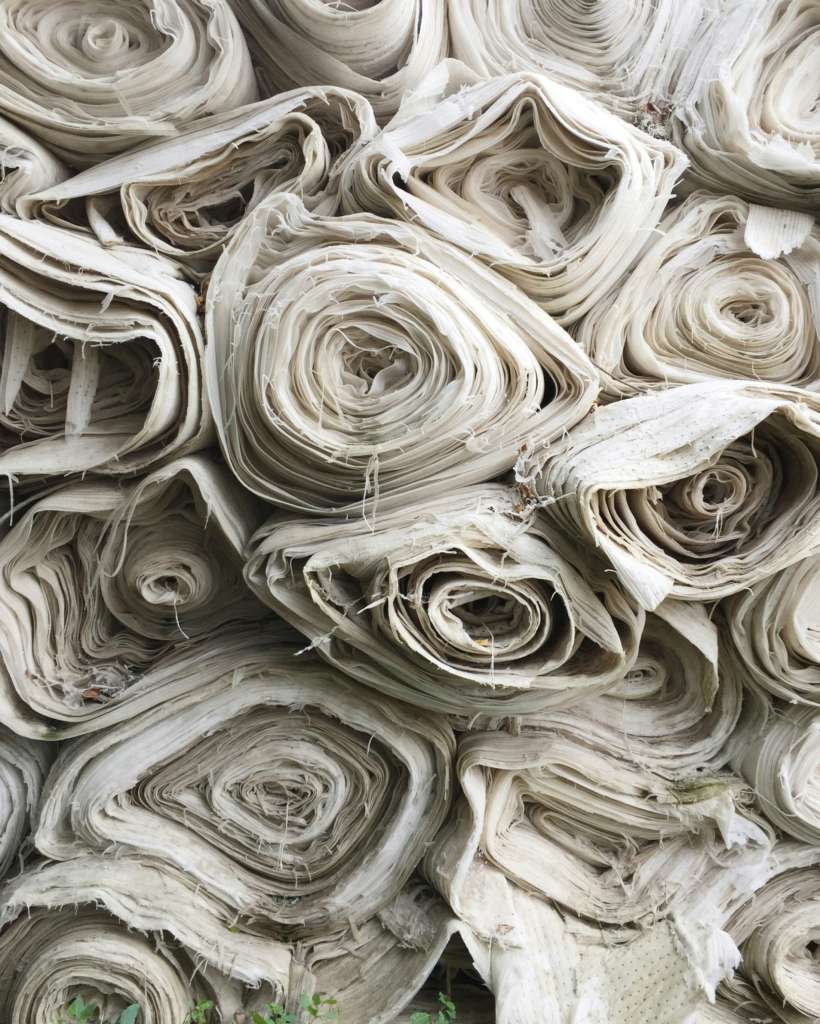
Photo by Ethan Bodnar on Unsplash
Fashion is more than just clothing; it’s a statement of culture, identity, and creativity. But in recent years, it has also become a powerful force in the conversation about sustainability. As climate change, environmental degradation, and social responsibility dominate headlines, the fashion industry finds itself at the centre of the debate.
Enter sustainable style — a movement that is revolutionising fashion by focusing on eco-friendly materials, ethical production, and circular business models. In 2025, this isn’t just a niche trend for conscious consumers. It’s a full-scale redefinition of the fashion industry as we know it.
This article explores how eco-friendly fashion is reshaping everything from runway shows to retail, why it matters, and how brands and consumers alike can lead the charge toward a greener future.
The Dark Side of Fast Fashion
To understand why sustainable style is essential, we must first confront the realities of fast fashion.
- Overproduction: Brands churn out thousands of new designs every week, leading to massive waste.
- Pollution: The fashion industry is the second-largest polluter of water globally, with dyeing and textile processing releasing toxic chemicals.
- Carbon Footprint: Clothing production accounts for about 10% of global carbon emissions — more than all international flights and maritime shipping combined.
- Waste: An estimated 92 million tonnes of textile waste is discarded annually, much of it ending up in landfills.
- Exploitation: Many fast-fashion supply chains rely on low-wage labour under unsafe working conditions.
This destructive model has sparked a backlash, with consumers and activists calling for a cleaner, fairer approach to clothing.
What is Sustainable Style?
Sustainable style isn’t just about swapping polyester for organic cotton. It’s a holistic rethinking of how clothes are designed, produced, sold, and reused.
Key pillars of sustainable fashion include:
- Eco-Friendly Materials: Organic cotton, hemp, bamboo, and recycled fabrics.
- Ethical Production: Fair wages, safe working conditions, and transparent supply chains.
- Circular Fashion: Recycling, upcycling, and resale markets to extend garment lifespans.
- Slow Fashion: Fewer, higher-quality items designed to last.
- Innovation: Using technology like 3D printing and AI to reduce waste and energy use.
In essence, sustainable style is about creating fashion that looks good, feels good, and does good.
Eco-Friendly Materials Leading the Change
Materials are at the heart of the sustainable fashion movement. Designers are experimenting with innovative fabrics that reduce environmental impact:
- Organic Cotton: Grown without harmful pesticides, reducing soil and water pollution.
- Recycled Polyester: Made from plastic bottles, cutting down on plastic waste.
- Hemp & Bamboo: Fast-growing, renewable plants with minimal environmental footprint.
- Mushroom Leather (Mycelium): A cruelty-free, biodegradable alternative to animal leather.
- Pineapple Leather (Piñatex): Derived from pineapple leaf fibres, a by-product of agriculture.
These innovations show how sustainability can also drive creativity and design innovation.
The Role of Technology in Eco-Friendly Fashion
Technology is a game-changer for sustainable fashion:
- 3D Printing: Produces clothes with zero waste.
- AI-Driven Design: Predicts trends to prevent overproduction.
- Blockchain: Ensures transparency and traceability in supply chains.
- Augmented Reality (AR): Enables virtual try-ons, reducing returns and wasted shipping.
By combining sustainability with cutting-edge tech, the industry is creating solutions that are both eco-conscious and consumer-friendly.
The Rise of Circular Fashion
The linear model of “take, make, dispose” is being replaced by a circular economy in fashion.
- Second-Hand Markets: Platforms like Depop, Poshmark, and Vestiaire Collective make resale fashionable.
- Rental Services: Companies like Rent the Runway allow consumers to borrow high-end fashion instead of buying.
- Upcycling: Designers repurpose old clothes into new creations, reducing waste and adding value.
- Repair Culture: Brands now offer repair services to extend the life of garments.
This shift reduces waste while giving fashion a new narrative: one of longevity and purpose.
Consumer Demand Driving Change
Consumers are increasingly aware of fashion’s environmental impact. Surveys show that over 70% of Gen Z shoppers prefer sustainable brands, even if it means paying more.
Social media amplifies this demand. Hashtags like #SustainableFashion and #EcoStyle attract millions of views, pressuring brands to adopt eco-friendly practices.
For brands, sustainability is no longer optional — it’s a competitive necessity.
Luxury Brands Leading by Example
High-end fashion houses are embracing sustainability, proving that eco-friendly can also be glamorous.
- Stella McCartney: A pioneer in sustainable luxury, using vegetarian leather and organic materials.
- Gucci: Committed to carbon neutrality and experimenting with digital fashion.
- Chanel: Investing in alternative materials and responsible sourcing.
Luxury brands are setting the standard, and their influence is trickling down to mainstream retailers.
Middle of the Movement: Lifestyle & Culture Convergence
What makes sustainable style exciting is how it merges fashion with broader lifestyle choices. Consumers aren’t just buying clothes — they’re aligning their values with their wardrobes.
For instance, just as people seek entertainment or leisure in areas like crazyvegas real money casino for thrills, others turn to sustainable fashion for a sense of purpose. Both reflect how modern culture blends enjoyment with identity. Fashion is no longer only about aesthetics — it’s about making choices that reflect who you are and what you stand for.
This convergence shows that eco-friendly fashion is more than a trend; it’s a lifestyle movement woven into daily decisions.
Challenges Facing Eco-Friendly Fashion
Despite its growth, sustainable fashion faces hurdles:
- Greenwashing: Some brands exaggerate eco-claims without real impact.
- Higher Costs: Sustainable materials and fair labour practices increase prices.
- Scaling Issues: Producing eco-friendly fabrics on a global scale remains a challenge.
- Consumer Habits: Fast fashion’s low cost and convenience are hard to compete with.
Addressing these challenges will require collaboration between governments, brands, and consumers.
How Consumers Can Embrace Sustainable Style
You don’t need to be a designer to make a difference. Here are practical ways to adopt eco-friendly fashion:
- Buy Less, Choose Better: Invest in timeless, high-quality pieces.
- Support Sustainable Brands: Look for certifications like Fair Trade, GOTS, or B Corp.
- Embrace Second-Hand: Shop vintage or resale platforms.
- Care for Your Clothes: Wash less, repair often, and store garments properly.
- DIY Upcycling: Get creative with old clothes instead of discarding them.
Each small step contributes to a larger movement toward sustainability.
The Future of Sustainable Style
Looking ahead, eco-friendly fashion will continue to evolve. Key trends include:
- Digital-Only Fashion: Virtual clothing for avatars and online identities, reducing physical waste.
- AI-Powered Sustainability: Smarter supply chains that minimise overproduction.
- Biodegradable Fabrics: Clothes that decompose naturally at the end of their lifecycle.
- Global Policy Shifts: Governments may regulate fast fashion to promote sustainability.
By 2030, sustainable style could move from niche to mainstream, becoming the default mode of fashion.
Final Thoughts
Sustainable style isn’t just reshaping the fashion industry — it’s reshaping how we live. From innovative materials to circular economies, eco-friendly fashion is redefining what it means to look good and feel good.
The fashion industry is one of the world’s most creative fields, and now it’s proving that creativity can also drive responsibility. Brands and consumers are working together to build an industry that values the planet as much as it values design.
Fashion has always been about the future. In 2025 and beyond, that future is green, ethical, and sustainable.
link