


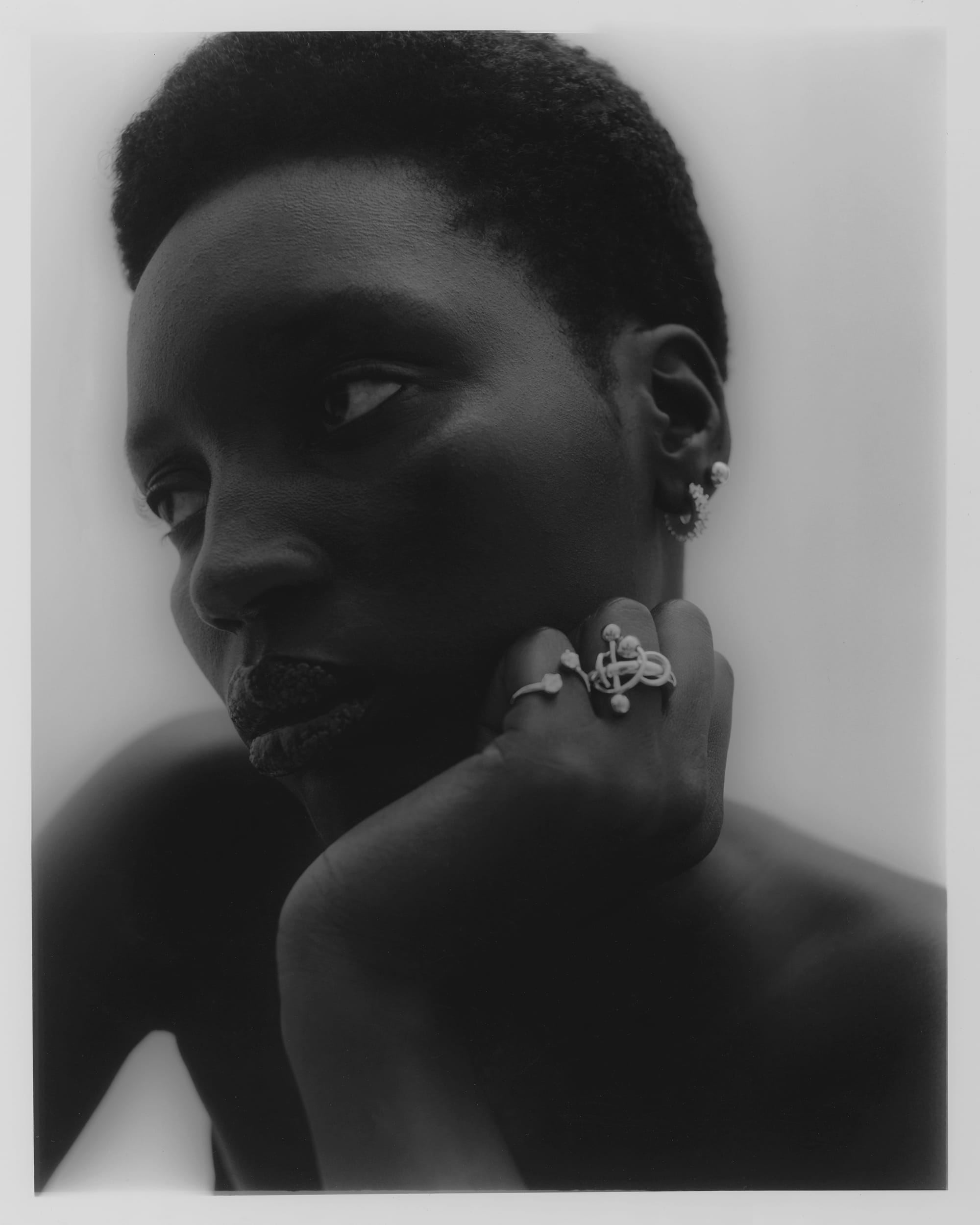
Anyone who has ventured beyond the convenience of fast fashion’s brick-and-mortar jewellery offerings would have heard of Justine Clenquet. With visuals that strike the perfect balance between really good DIY work and the making of high-quality jewellery, the cult accessory label’s existence and flourishing state are continual proof that well-designed jewellery of great quality need not come with a hefty price tag.
What started as an attempt by the eponymous designer to craft high-quality jewellery for herself and her friends has become a project that, for the past 15 years, has been exclusively handmade in France with materials such as pale gold-plated brass, carats, pearls and crystals. A decade might not seem like a long time, but fashion’s increasingly fast-paced nature makes Justine Clenquet’s work the rebel cause that preachers of authenticity want to fight for and with. This is the spirit of the underground that continues to enamour youth, and why her jewellery is still so sought after today. Men’s Folio leans in close to the designer to listen and learn more about how, like Clenquet, we can be stewards of responsible and affordable expressions of true personality.

Hi Justine! How would you describe the essence of your eponymous brand in 10 or fewer words?
Unisex, edgy, punk, underground and affordable.
Take us through how you arrived at designing jewellery?
I always love creating jewellery. I was 15 years old when I started to make some for myself with recycled vintage jewellery.
Is there a piece of jewellery that holds special meaning to you? Tell us the story behind it.
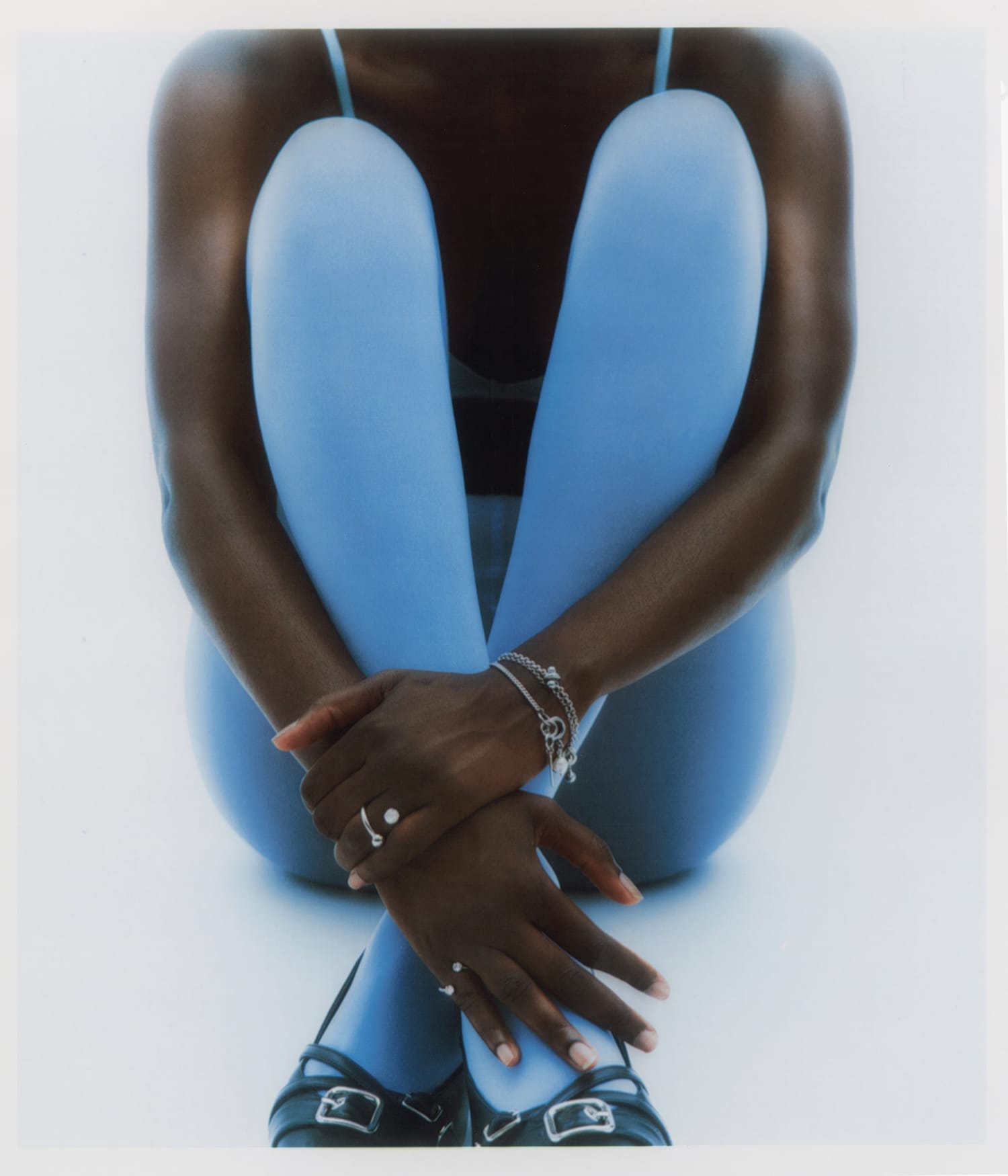
The Lauren bracelet I made for my son’s birth last year. It’s a baby bracelet made with a silver chain, a baroque pearl and a small piercing.
What about a particular design that you are most proud of making?
I think it’s the Carl earring. I made it four years ago, and it’s been worn by celebrities including Dua Lipa, Chappell Roan and many more.
Punk, grunge, and subculture influences are core to the making of your brand’s identity. What about them is so attractive to you, and what makes jewellery a good medium to translate these from idea to material?
It’s the strong DIY culture that characterises the movement. I’ve drawn inspiration from punk aesthetics and underground culture since the beginning of the brand — particularly punk and grunge music from the 1980s and 1990s.
Are there artists, designers or cultural works that have influenced the way you create, and how so?
Martin Margiela, Jean Paul Gaultier and Vivienne Westwood. I’ve always loved their work, which has gone on to inspire and influence my own.
Where do you find inspiration, especially when social media makes authenticity hard to maintain, and even acts as an echo chamber for ideas? How do you stay inspired?
Music, cinema, but also design, architecture, and travel — these experiences inform my creativity. I love discovering unique objects or vintage magazines during my trips, whether in Berlin, London, or Tokyo. I also find great inspiration in our clients, as I love seeing them customise the pieces. The creative ways they mix and match items are very refreshing to me.
Material is a big thing for your brand. Why do you only stick to recycled or locally sourced materials?
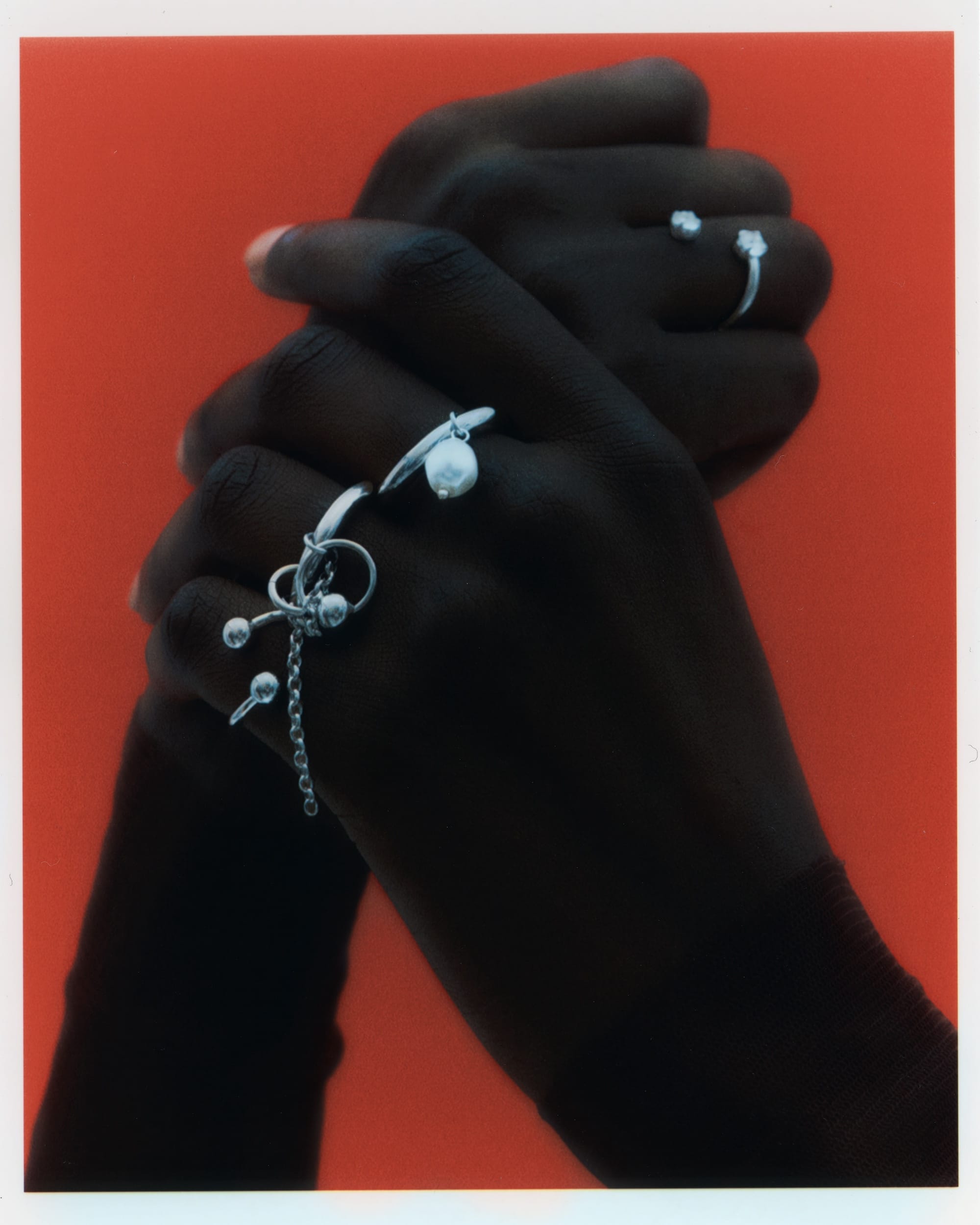
Materials are very important to us; we work with brass dipped in recycled palladium and 24k pale gold, as well as crystals. I want to stay affordable, that’s why we didn’t use precious materials. We also work with lots of recycled elements from past collections or chain drops. For example, we made the Lara earrings and necklace with recycled clasps.
Would you see yourself expanding the types of materials used, even if it means forgoing affordability?
Yes, but still keeping our price target in mind. I want to stay affordable.
On the side, I also noticed your brand offers bags, shoes and eyewear. How did an expansion like this happen?
I’ve always aimed to position the brand as an accessories brand rather than just a jewellery brand, since I view jewellery as a fashion accessory — like bags, shoes, or a pair of glasses. Launching these categories took some time; it was important for the brand to be well-established first to ensure a strong understanding of these new product lines.
Mainstream jewellery brands are only now starting to champion their pieces as unisex, while you have done so from the start. Why do you think this shift is only happening now?
Selling unisex and inclusive jewellery is very important to me. I think it’s happening now with Gen Z: men wear make-up, nails, and jewellery!

Any advice for young designers who are looking to enter the jewellery industry today?
Create your own story and be curious.
Lastly, what’s your advice to those looking to curate a truly personal and unique jewellery collection?
Stay true to your DNA, tell your story, and think of the people you’d like to see wearing your pieces; this can help you create truly personal pieces.
Once you are done with this story, click here to catch up with our December/January 2026 issue.
link