
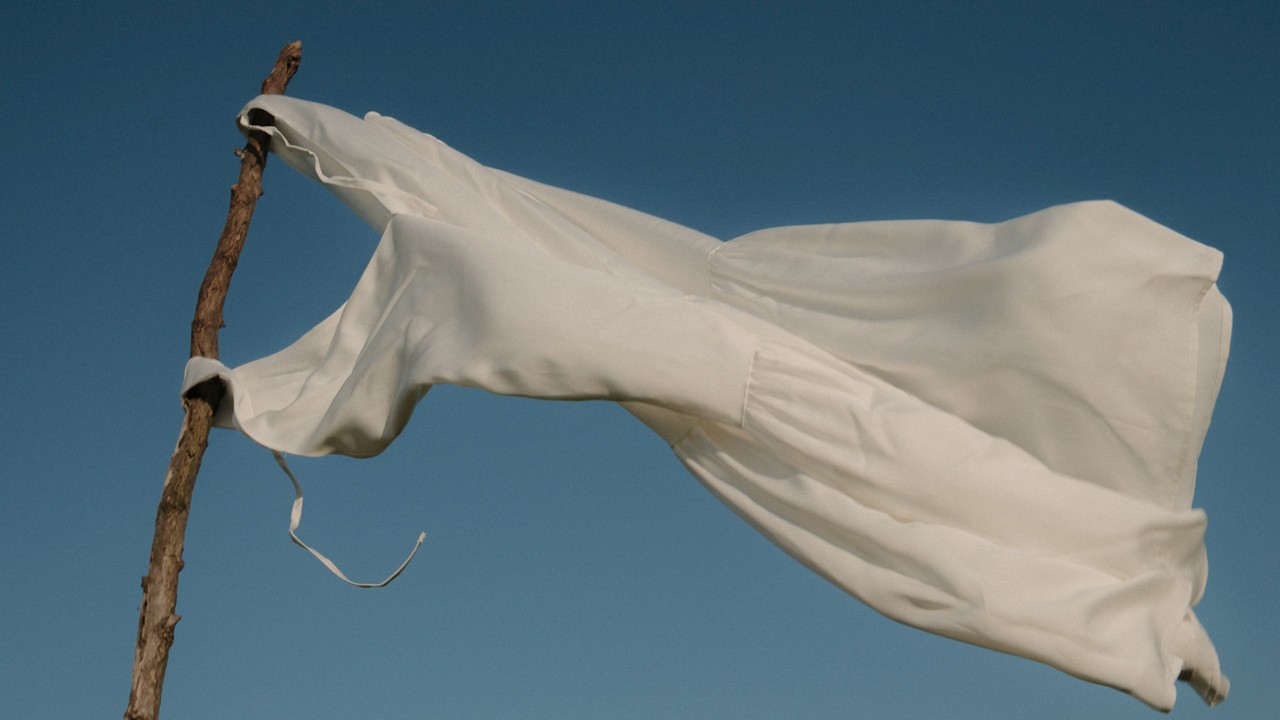
Digging into the fate of no-longer-worn clothes is a sobering experience.
Environmental organization WRAP estimates that consumers are putting almost half of all textile waste into the general rubbish bin, and recommend that consumers give them to a charity shop instead. But, even doing the “right” thing is not a complete solution. Only around 10% to 30% of clothes donated to charity end up being sold on the shop floor—and 70% end up in landfill, mostly in either informal landfills or in waterways, often in countries in the Global South, including Ghana, Kenya, Chile, and Guatemala.
The fashion industry is complicit in upholding and reinforcing waste colonialism, the idea that those in privileged countries predominantly in the Global North are shipping their unwanted garments abroad primarily to countries in the Global South. As a result, a local economy has developed, as in Ghana, where young girls are paid a pittance to carry bales of clothes from importers to the market stalls, damaging their bodies in the process. These landfills are also often burnt, releasing harmful fumes into the local area, and impacting the water supply. Meanwhile, many of these clothes are produced in countries including India, Pakistan, and Bangladesh, in often dangerous and unjust working conditions, which shows how, in Barber’s words, “fast fashion is harming a non-white person in the Global South, both at the beginning of its cycle and in the end.”
For citizens in the Global North to avoid an “out of sight, out of mind” approach, people can think carefully about where their clothes could go. Clothes swaps with friends, or selling clothes on peer-to-peer apps, is an option. Alternatively, charity Give Your Best takes clothes that can then be “shopped” by women who are victims of domestic violence, seeking asylum or were recently homeless, or Dress For Success help financially insecure women with clothes to help them re-enter the workforce.
“Take-back” programs should be viewed with caution. With recycling bins in big brand stores exposed as greenwashing because serviceable items were not sorted, but instead “downcycled” (turned into furniture stuffing or similar). There have also been reports that show take-back schemes have sent clothes to landfill or brand warehouses for months on end. The lesson is perhaps to buy carefully and commit—even as a treasured item reaches the end of its life we can think of other uses for it, for example by turning it into household items.
link