
Here are some of this week’s news and features highlights handpicked by TheIndustry.fashion team.

Seraphine enters administration with majority of staff made redundant
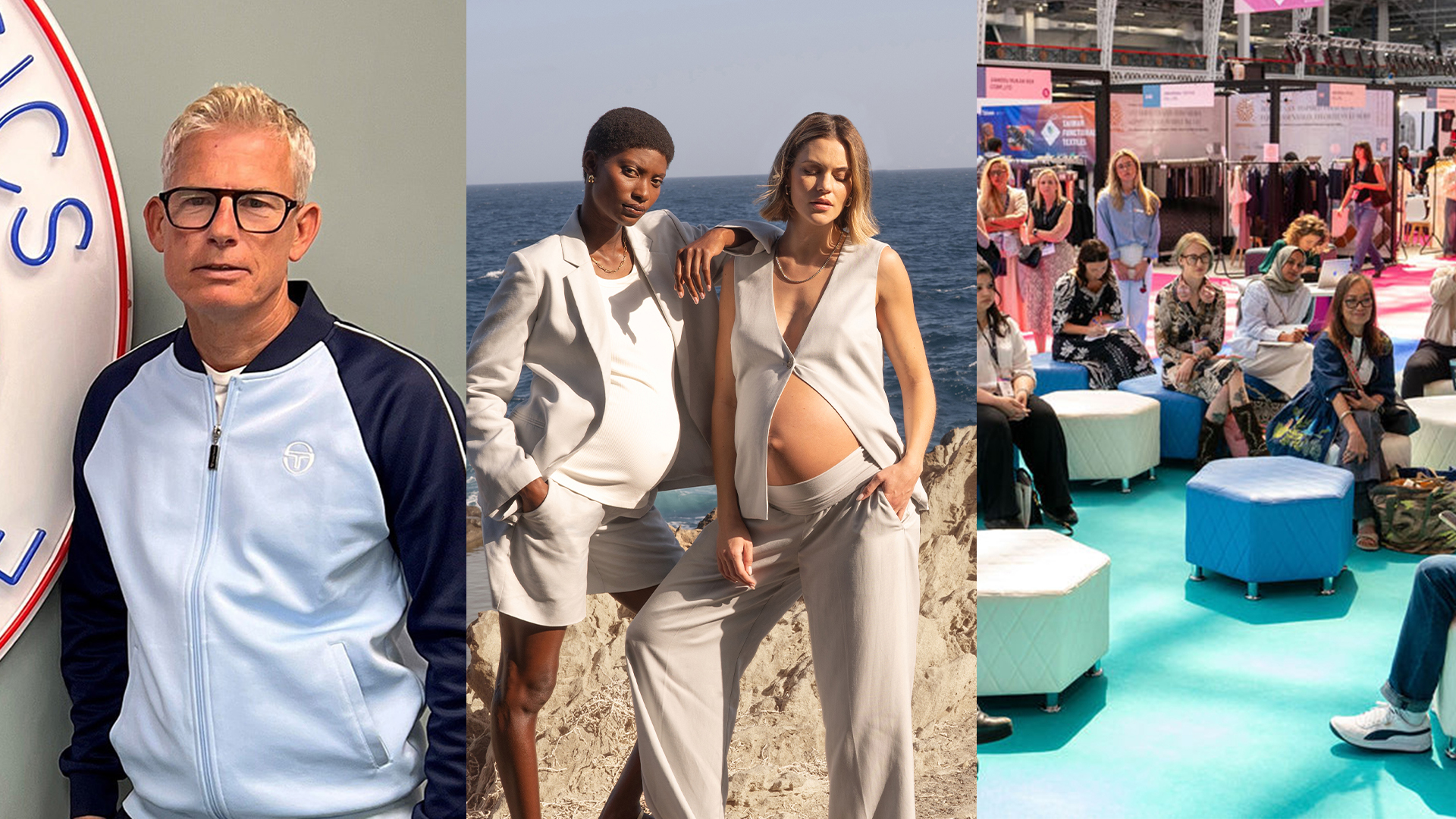
News emerged this week that maternity fashion brand Seraphine had entered administration after failing to secure new investment, resulting in the redundancy of most of its 95 employees.
Advisors from Interpath were appointed as administrators on 7 July, with the business ceasing trading immediately. It follows a period of trading challenges for Seraphine, exacerbated by fragile consumer confidence that has negatively impacted sales.
It did come as a bit of a surprise, as the company had only relaunched its brand identity earlier this year, with a renewed focus on form, function, and fit. However, with pressure on cash flow continuing to mount, the directors undertook an accelerated review of their investment options, including exploring a sale or refinancing – which ultimately did not work out.
Due to the nature of the business, customer retention is inherently challenging for a maternity brand, which presents significant obstacles. Combined with fragile consumer confidence – and a lack of much-needed investment – the business faced mounting pressure that ultimately proved too difficult to overcome. I thought the rebrand looked strong, but perhaps it came too late.
Sophie Smith, News Editor & Senior Writer.

The Interview: Neil Primett, founder of 80s Casual Classics, on opening a fifth store in Romford and launching brand exclusives
80s Casual Classics is a fine example of why we need to retain as many independent retailers as we can.
They simply do things others can’t and when they get it right, as owner Neil Primett very much has, they can have customers queueing round the block. This is exactly what happened when Primett opened a new store in Romford recently, the retailer’s first foray into the South. Fans queued up to get in. Why, because they can buy things here that they can’t get from anywhere else.
Primett built his business off the back of the 2005 Nick Love film, ‘The Business’, in which its cast, including Danny Dyer, Tamer Hassan and Geoff Bell, were kitted out in old school sportswear from the likes of Sergio Tacchini and Fila. A sales rep for Sergio Tacchini came into the store he then owned and asked him if he’d be interested in stocking reissues that would be featuring in the film.
The company then became known for its brand exclusives with 80s Casual brands and indeed ended up having a hand in resurrecting some including Patrick, the 80s cagoule brand. Primett is once again working with Dyer having kitted him out for the recently release Marching Powder film, kitting him out in Sergio Tacchini and Gabicci among others.
The big sports retailers can’t do this nor can Flannels, which has taken over so many of our great independent retail names. Let’s hope Primett manages to retain his independence and his many thousands of fans. Read all about him in this in-depth and entertaining interview.
Lauretta Roberts, Co-founder, CEO and Editor-in-Chief.
The original Birkin bag was sold for €7 million: The history of Jane Birkin’s Hermès legacy
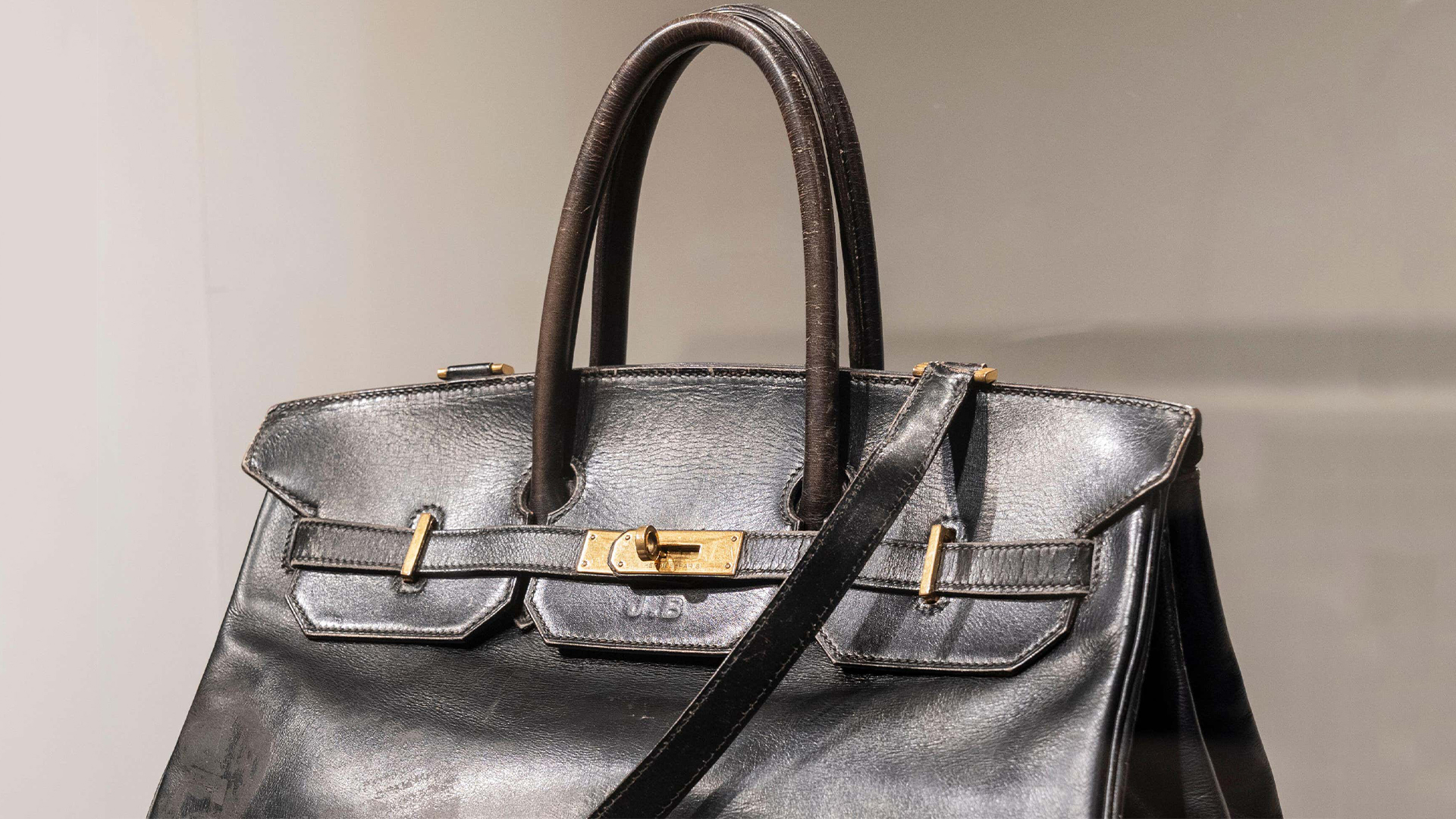
The original Hermès Birkin bag, custom-designed for actress Jane Birkin in 1984 and considered one of the most iconic fashion items in history, has sold at auction for €7 million (approx. £6 million) at Sotheby’s Paris. The sale sets a new record for the most expensive handbag ever sold.
If you’re anything like me and can’t get enough of Birkin reseller Love Luxury’s TikTok videos (despite some of the questionable acting), you’ll know that these bags are lifetime investments. But, this confirms the rumours are true, Birkins are worth their weight – and then some – in gold.
This first-of-its-kind Birkin, featuring Birkin’s initials, a rare shoulder strap, and a nail clipper she personally used (a tad grotesque but still iconic), was bought by a mystery bidder after an intense eight-minute bidding war. Its distinctive design and personalisation set it apart from commercial versions, making it not only a piece of fashion history but also a cultural relic.
Originally inspired by a chance meeting between Birkin and Hermès’ then-artistic director Jean-Louis Dumas on a flight in 1981, the Birkin has become the ultimate symbol of luxury, with enduring demand from celebrities, collectors and fashion lovers alike. If there were ever doubts about fashion’s financial power, this sale puts them firmly to rest.
Chloé Burney, Senior News and Features Writer.

‘The energy on the show floor has been incredible’: Source Fashion celebrates ‘record-breaking’ opening day
Have you been to Source Fashion yet? If you haven’t, look out for the next edition in early 2026. This trade show from London-based organisers Hyve has been steadily growing and flourishing while others have struggled. It’s interesting to me as it’s not a show for writing fashion collection orders, it’s a show to introduce visitors to ethical suppliers from around the world.
It’s absolutely fascinating to wander the aisles and find the people who make, say, socks for all the major high street retailers or football shirts for global sports giants. I love to have a browse around and, even though I am not a buyer of these items, I always find someone friendly who’ll chat me through what they do and add to my understanding of how fashion is made.
But the real reason I go is for the content. The show’s visionary is Hyve’s Suzanne Ellingham and she and her team invest a huge amount of time and effort in the content of the show and the topics, speakers and staging are so engaging. Unlike other trade shows where you might see a long speaker talking rows of empty seats, the content sessions at Source are always full and I have witnessed (and taken part in) some great conversations about how we can create a more positive future for fashion.
Read more about this season’s show here and then go and mark the next one in your diary.
Lauretta Roberts, Co-founder, CEO and Editor-in-Chief.

Retailers ramp up investment in AI and loyalty to secure shoppers, data reveals
As the UK fashion and beauty industries continue to grow, more and more businesses are welcoming artificial intelligence to entice consumers and stand-out amongst the competition.
New data has revealed that British retailers are doubling down on customer experience as competition intensifies in both physical and digital spaces. In fact, 87% of retailers are prioritising initiatives to attract and retain shoppers, from launching loyalty schemes to experimenting with AI-powered personalisation.
Sophie Smith, News Editor & Senior Writer.
link