
The search for new fabric for a more sustainable future is a continuously ongoing process in the fashion industry due to the scrutiny around the textile industry regarding their contribution to climate change.
Hence, cellulose-based textile materials are seen and used as a solution to make the clothing sector sustainable.
However, a study conducted by researchers from the Chalmers University of Technology in Sweden has pointed to a different solution.
While current efforts have focused on using wood-based cellulose for sustainable cloth manufacturing, this research suggests that agricultural waste products would be an alternative for creating cellulose.
A look at the tested materials
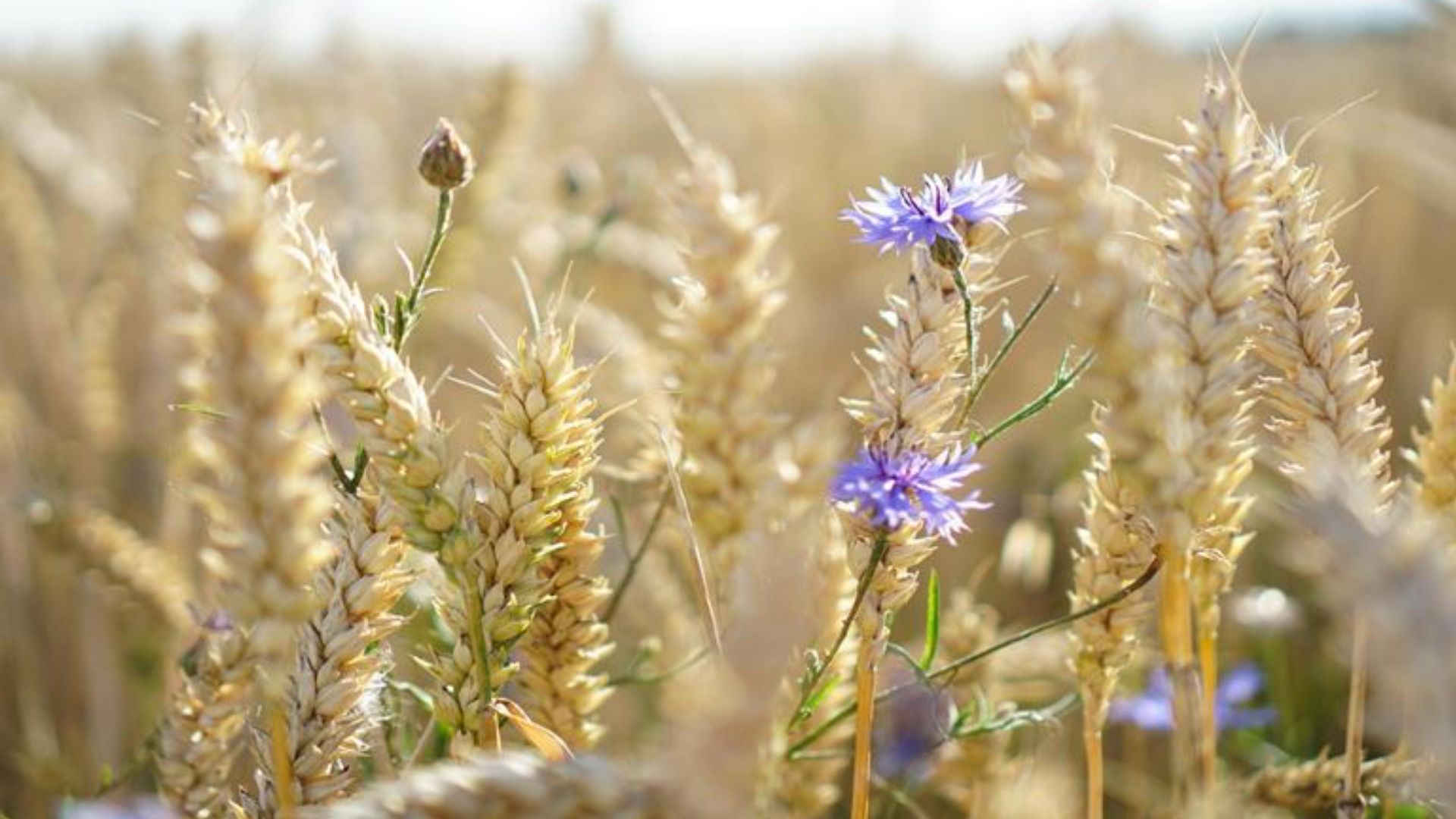
The researchers tested multiple materials, like oat husks, wheat straw, potato pulp, and sugar beet pulp. Out of the four, oat husks and wheat straw performed the best in developing the dissolving pulp which is used to make clothing.
“With this method, which we further developed in this study, we show that you can make textile pulp from certain agricultural waste products,” said Diana Bernin, Assistant Professor at the Department of Chemistry and Chemical Engineering at Chalmers and senior researcher in the study.
“This is an important step towards being able to create textiles from waste products instead of using cotton, which isn’t climate-friendly, or wood, a material that we want to use for so many things while also needing to preserve it for the benefit of the climate.”
Using lye for better sustainability
The raw material in question was boiled in lye to make manufacturing more sustainable. This process is known as soda pulping.
“Lye doesn’t contain any toxins or substances that impact nature,” Bernin explained.
“Soda pulping doesn’t work for wood fibres, so making textile pulp from wheat straw and oat husks requires fewer chemicals than making forest-based cellulose. It’s also a simpler procedure, in part because it doesn’t require processing such as chipping and debarking. In addition, it increases the economic value of oats and wheat, when leftovers from their production can be used as raw materials for cellulose extraction.”
Bernin also echoed the possibility of several other agricultural waste products being used in textile manufacturing with the method her team has developed.
She’s currently busy working on an international project where a team has found that press-cake from grass from fields has worked very well in creating dissolving pulp, using Bernin’s method.
In ongoing studies that haven’t been published yet, the researchers have made more progress by using wheat pulp and grass press-cake to create textile fibers — moving a step closer to real-world use.
Tweaking the existing technology
In the future, Bernin believes the pulp-and-paper industry could be a great way to turn agricultural waste into dissolving pulp, since it already has the needed technology and systems in place.
“If we can make use of our existing industry and adjust their processes instead of building new production facilities, we’ve already come a long way,” she said.
The lead author of the study is Joanna Wojtasz, former postdoc at Chalmers and now a researcher at the innovation company Tree To Textile, which is one of the partners in the project.
“The study shows that there is a lot of potential in agricultural waste,” Wojtasz said. “We really shouldn’t disregard the opportunity to use this type of cellulose streams for our future clothing.”
While agricultural waste is seen as a big alternative, food waste has also been considered for making the textile industry sustainable. Back in 2022, Fashion For Good also launched a similar project called ‘Untapped Agricultural Waste Project’ to successfully transform agricultural waste into textile fibres.
Together, these innovations are weaving a future where what we once threw away could soon be what we wear every day.
The study was published in the scientific journal RSC Sustainability.
link